
How to Protect Your Boxwoods from Moth Damage This Spring

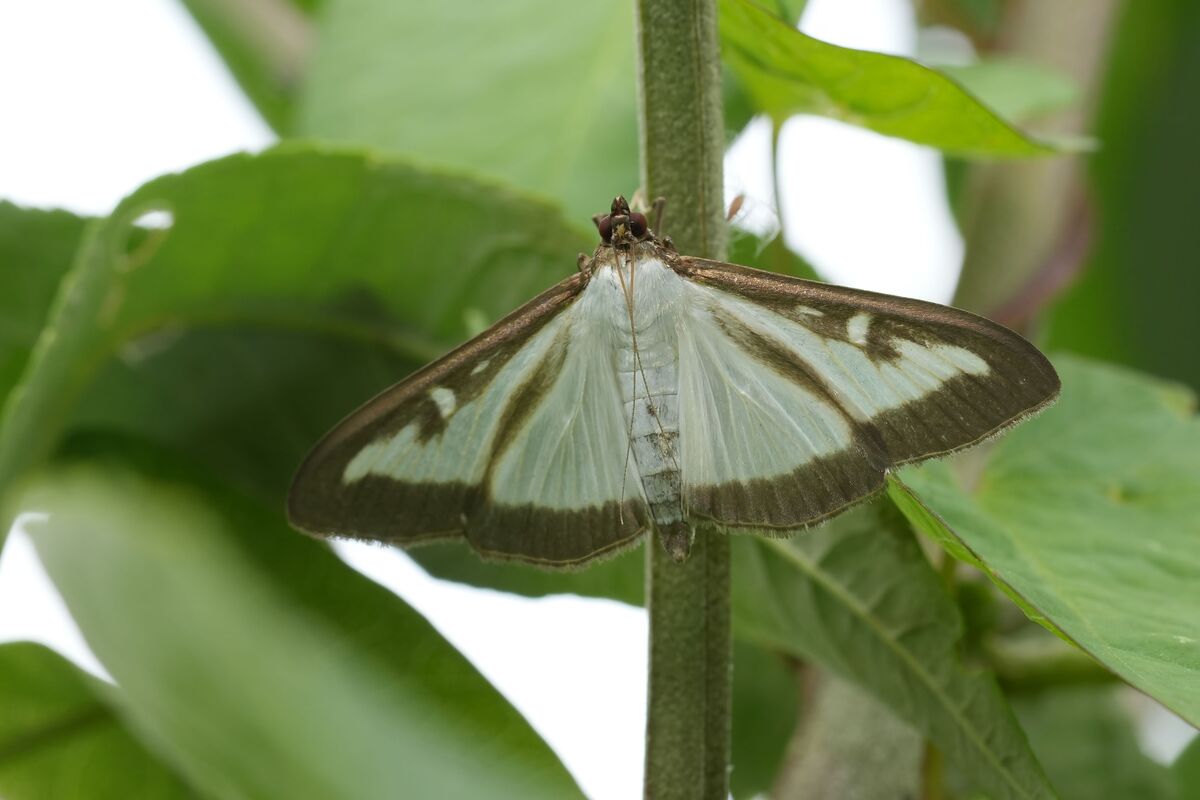
Have you noticed browning, thinning, or webbing on your boxwoods? It's likely not a coincidence. The box tree moth has been present in Southwest Ohio since 2023, and it continues to spread across the region.
The pest is now established in multiple counties and shows no signs of slowing down. Spring is when the damage accelerates. Waiting until the damage is visible often means the worst of it has already happened.
This article covers why spring is the critical window for boxwood moth activity, what to watch for on your property, and what options you have to protect your shrubs before the growing season gets away from you.
Why Spring Is When the Damage Starts
Box tree moth caterpillars don't die off in winter. They enter a dormant stage called diapause inside small protective structures on the plant. When spring temperatures warm up, they wake up hungry and begin feeding immediately.
This early-season feeding is aggressive. Caterpillars chew through leaves from the inside of the shrub outward, which makes infestations hard to spot until significant damage has already occurred. By the time the outer branches show browning, the interior of the plant may already be stripped.
The pest can produce two to three full generations between spring and fall in southern Ohio. That means the caterpillars feeding now are just the beginning. Each generation builds the last, and populations can escalate quickly across an entire property if left unaddressed.
What to Watch for on Your Property
Early detection gives you the best chance of limiting damage. Experts recommend beginning weekly inspections of your boxwoods by mid-April.
Signs of an active infestation include:
- Light webbing woven between leaves and branches inside the shrub
- Chewed or skeletonized leaves where only a thin papery layer remains
- Green-black droppings on leaves or at the base of the plant
- Sudden browning that seems to appear within days on previously healthy shrubs
If you spot any of these signs, report the infestation to the Ohio Department of Agriculture through their online reporting tool.
The Quarantine Has Expanded Across Southwest Ohio
The Ohio Department of Agriculture expanded the box tree moth quarantine zone in early 2026 to include seven new counties. The quarantine now covers Butler, Warren, Clermont, Hamilton, Montgomery, Greene, Miami, Preble, Clark, Cuyahoga, Ashtabula, Lorain, Lake, and Lucas counties.
For homeowners in West Chester, Mason, and Loveland, this means the moth is firmly established in your area. The quarantine restricts the movement of boxwood nursery stock to prevent further spread, but it doesn't stop moths from moving between neighboring properties on their own.

Why Replacement Is Still the Strongest Long-Term Option
Treatments can reduce boxwood moth populations, but they require precise timing and repeated applications throughout the season. Missing even one generation allows the cycle to continue. For many homeowners, the cost and effort of ongoing treatment eventually exceeds the value of the shrubs they're trying to save.
Replacing vulnerable boxwoods with hardy evergreens removes the pest's food source entirely. This breaks the cycle of reinfestation and eliminates the need for seasonal chemical applications.
Many evergreen alternatives share the same size, shape, and structure as traditional boxwoods, so the look of your landscape stays consistent.
We covered evergreen replacement options in detail in our fall article on boxwood moth alternatives. That guide walks through specific varieties for foundation plantings, hedges, and privacy screens that thrive in Southwest Ohio.
Spring Is the Best Time to Plant Replacements
If you've decided to replace damaged boxwood trees, spring offers the best planting conditions. Soil temperatures are warming, moisture levels are consistent, and new plantings have a full growing season ahead to establish root systems before summer heat arrives.
Planting in spring gives evergreens several months of favorable conditions to anchor into the soil. By the time the first hot stretch hits in July, a spring-planted shrub will have enough root development to handle the stress.

Act Now with Degree Lawn & Landscape
The box tree moth isn't going away. Each spring brings another cycle of feeding, and the longer damaged boxwoods stay in the ground, the more time and money go into fighting a pest that keeps coming back.
At Degree Lawn & Landscape, we help homeowners evaluate their boxwoods, select the right evergreen replacements, and install them at the right time for long-term success. Our team understands local soil conditions, pest patterns, and the varieties that perform best in Southwest Ohio.
Contact us to schedule a consultation. Ask about boxwood removal, evergreen selection, and spring planting. Get ahead of the damage before the next generation of moths arrives.