
How to Repair Summer Lawn and Landscape Damage Before Fall Arrives
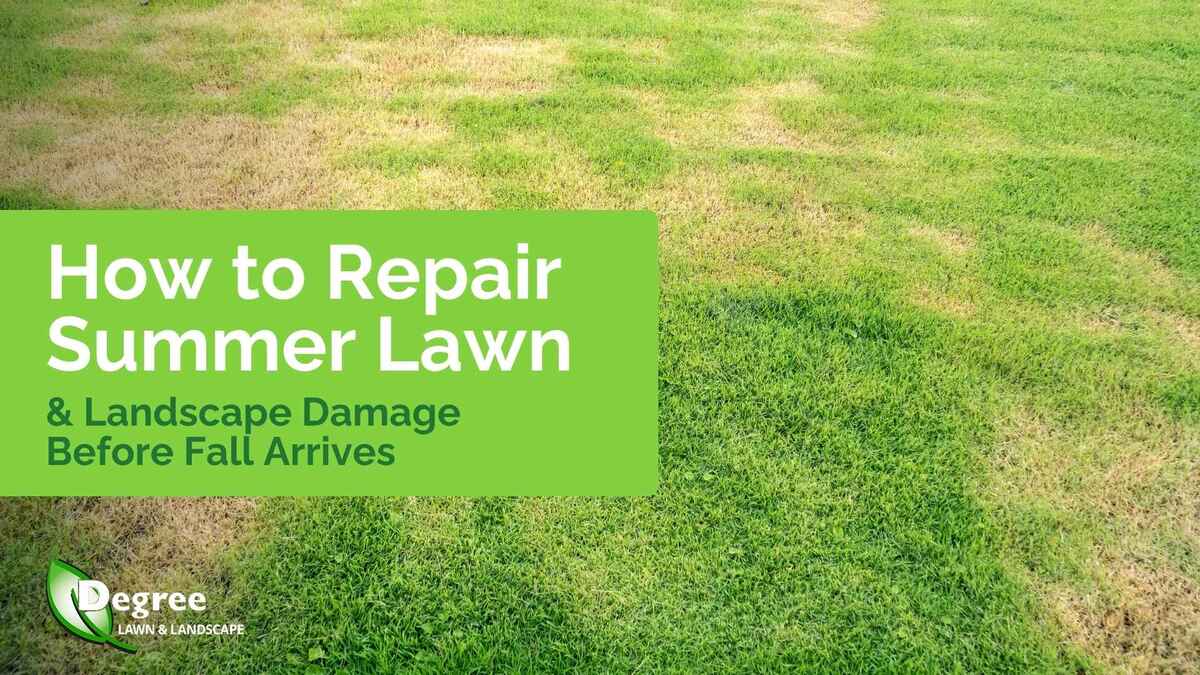
By the end of summer, it’s common for a yard to look a little brown in some areas. Weeks of relentless heat and summer storms leave nearly every part of your property looking tired. Late summer is the right time to turn that around.
Cooler weather and steadier rain are on the way, which creates the best conditions all year for your landscape to recover.
This article covers the summer damage worth addressing now, why fall is the right window to do it, and how a focused refresh gets your yard back in shape before the cold sets in.
What Months of Heat and Storms Do to Your Landscape
By late summer, the wear shows up everywhere you look. The turf that pushed through heat and drought has gone thin, and the beds that looked sharp in spring have faded under months of sun.
The damage is easy to ignore when the season is winding down. Putting it off, though, means the problems carry into winter and get worse by spring. Handling them now protects your landscape through the colder months ahead.
How to Bring Heat-Stressed Turf Back to Life
Your lawn takes the biggest hit during the summer. The good news is that fall is the best season for turf to recover, so the timing works in your favor.
Assess the Damage First
Before you do anything, figure out what you are working with. Some grass goes dormant in the heat and turns brown to protect itself, then greens back up once the weather cools. Other patches are dead and will not come back without reseeding.
A quick way to tell the difference is to tug on the brown grass. Dormant grass holds firm because the roots are still alive. Dead grass pulls up easily. Thinning areas and bare spots usually need reseeding to fill back in.
For a deeper look at how heat drains your turf, our post on summer lawn heat stress breaks it down.
Aeration and Overseeding for Recovery
A summer of foot traffic packs the soil down tight, which makes it hard for roots to get the air and water they need. Fall aeration pulls small plugs from the ground and loosens that compaction so your lawn can breathe again.
Overseeding right after aeration fills in the thin spots while the soil is still warm enough for seeds to take hold. The two work together to rebuild a thicker, healthier lawn before winter. Our post on fall aeration covers the full timing and benefits.
Refresh Faded and Overgrown Beds
Your planting beds lose their edge by late summer. A focused refresh brings back the structure and gets your beds ready for fall.
Evaluate Mulch That Has Thinned or Broken Down
The mulch you put down in spring has likely broken down by August, leaving your beds exposed. Thin coverage stops holding moisture and lets weeds creep back in.
A top-off solves all of that at once. Fresh mulch restores weed control, helps the soil hold water, and gives your beds a clean look heading into fall.
Cutting Back and Cleaning Up Tired Plantings
The plants that finished blooming or got worn down by the heat benefit from a cleanup this time of year. Trimming back the tired growth helps your plants put their energy into healthy roots before winter.
Not everything should come out, though. Some perennials provide cover for the soil and food for birds through the colder months, so a little selective trimming goes further than cutting everything to the ground.
Address Hardscape Wear from Sun and Storms
Your patio, walkways, and walls take a season of abuse from heat and heavy rain. A few repairs now keep small issues from turning into bigger ones over winter.
Joint Sand and Shifting Pavers
Summer heat and storm runoff wash the sand out of the joints between your pavers. Once that sand is gone, the pavers start to shift, and the surface loses its footing.
Re-sanding the joints and resetting any loose pavers before fall keeps everything stable. That stability matters most through the freeze-thaw season, when shifting can get much worse.
Drainage Issues Exposed by Summer Storms
Heavy summer storms have a way of showing you exactly where water pools and runs the wrong way. Those grading and drainage problems only get worse once rain sets in.
Catching them now gives you time to fix the slope or add drainage before the wet season arrives. Our post on drainage planning covers how this fits into a complete landscape plan.
Why Late Summer Is the Right Time to Act
Timing makes a difference with recovery work. Fall brings cooler temperatures and steadier rain, which is exactly what your turf, beds, and plants need to bounce back.
Waiting until spring works against you. Damage left alone carries through winter and compounds into a bigger problem by the time warm weather returns. Acting now means your landscape recovers on the best possible schedule instead of losing a full season to decline.
Get Your Yard Back in Shape with Degree Lawn & Landscape
At Degree Lawn & Landscape, we help homeowners in West Chester, Mason, and Loveland recover from a tough summer and head into fall with a healthy, polished yard.
Our team handles turf recovery, bed refreshes, mulch top-offs, and hardscape repairs, so your property finishes the season in good shape.
Contact us to schedule a late-season landscape refresh!