
What Tenants and Prospects Notice About Your Commercial Property Before They Sign a Lease
What Tenants and Prospects Notice About Your Commercial Property Before They Sign a Lease
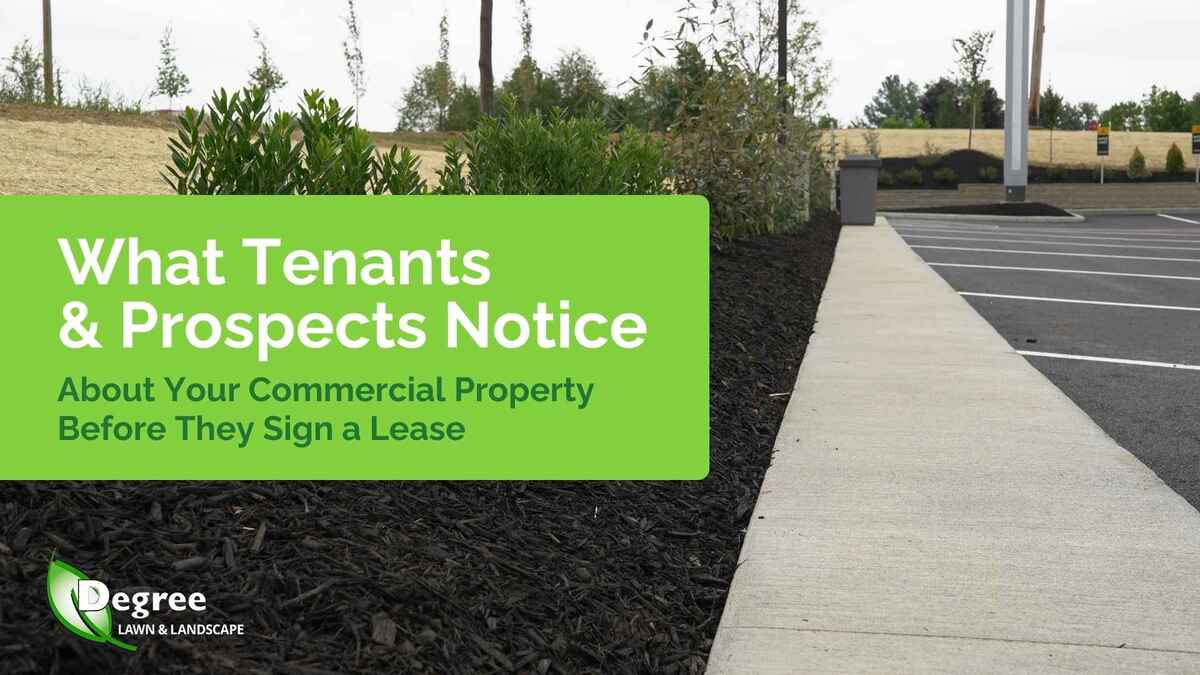
Do you know how much a vacant unit costs you each month? Lost rent, carrying costs, and the ongoing expense of marketing an empty space add up fast.
When a prospect finally does schedule a visit, the grounds are one of the first things they evaluate. The condition of your landscape can either reinforce confidence in the property or raise doubts before they reach the front door.
A well-maintained property signals professional management. A neglected one raises concerns about what else has been deferred. This article covers what tenants and prospects notice most about your grounds.
Why Landscape Condition Affects Leasing Decisions
Prospective tenants start forming opinions in the parking lot. Overgrown beds, cracked walkway edges, and patchy turf suggest deferred maintenance. That impression follows them into the building and carries into lease negotiations.
Existing tenants notice the same things. A property that looks sharp in April but falls behind by July sends a message that maintenance is reactive rather than planned. Renewal conversations are easier when the grounds consistently reflect a well-run operation.
Clean turf, fresh mulch, and defined bed lines signal attention to detail. These are small things individually. Together they shape how tenants and prospects evaluate the property and the management behind it.
Safety and Liability Start at the Sidewalk
Commercial properties carry a higher standard for pedestrian safety. Landscape maintenance plays a direct role in reducing liability exposure. Problems that seem minor on a residential property become serious concerns on a commercial site with daily foot traffic.
Walkway and Parking Lot Edges
Overgrown turf creeping over sidewalk edges narrows walkways and creates uneven surfaces. Displaced mulch washing onto paved areas after rain adds another layer of risk. These conditions create trip hazards for tenants, visitors, and delivery personnel.
Routine edging along walkways and parking areas keeps paths clear and accessible. Consistent maintenance also helps properties stay compliant with ADA requirements. A trip-and-fall claim costs far more than a seasonal edging schedule.
Tree and Shrub Clearance
Low-hanging branches over walkways force pedestrians to duck or step around obstacles. Overgrown shrubs can block signage, obscure building numbers, and reduce sight lines near parking lot entrances and exits.
These are visibility and safety issues that compound over time. A branch that clears foot traffic in March may hang six inches lower by June after new growth weighs it down. Regular pruning keeps clearances safe and signage visible throughout the season.
The Maintenance Details That Make a Property Look Professional
Tenants and visitors notice when a property is actively maintained. A few consistent services create the appearance of a well-run building. None of these are major investments on their own. The impact comes from keeping them on a reliable schedule.
Consistent Mowing and Turf Care
Regular mowing on a set schedule keeps turf even and prevents the overgrown look that signals neglect. Clean striping across open lawn areas adds a polished appearance that is visible from the road and the parking lot.
Weed-free turf matters on commercial properties. Patchy lawns full of clover and crabgrass look unkempt next to neighboring properties that maintain clean stands of grass. Basic fertilization and weed control programs keep turf thick and green through the growing season.
Mulch and Bed Maintenance
Fresh mulch in planting beds near building entrances and common areas sets the tone for the entire property. Faded or thin mulch exposes bare soil and makes even healthy plants look neglected.
Defined bed edges create clean visual lines between turf and planting areas. Weed-free beds show that someone is actively managing the grounds. These details register immediately with anyone walking from the parking lot to the front door.
Seasonal Color and Entrance Plantings
Targeted seasonal plantings near main entries and signage areas add a professional and welcoming appearance. A few containers or a small annual bed near the front door creates a focal point that draws the eye.
This does not require a large investment. Simple seasonal rotations of color near high-visibility areas keep the property looking fresh without a full landscape redesign. The goal is a maintained and intentional appearance at the points where first impressions form.
Spring Is the Reset Window for Commercial Properties
Winter takes a toll on commercial grounds. Plow damage along curb lines, salt-burned turf near walkways, and beds flattened by months of snow and ice all need attention before the property is presentable again.
Spring is the window to address that damage and get ahead of the growing season. Beds need to be cleaned out, edges recut, mulch refreshed, and mowing schedules established before growth accelerates in late April and May.
Waiting too long turns spring cleanup into summer catch-up. Properties that fall behind in March and April spend the rest of the season reacting to problems instead of maintaining a clean baseline. That reactive cycle is harder to break and more expensive to manage than a planned spring reset.
[What a Commercial Landscape Maintenance Plan Should Include
A professional maintenance agreement should cover the full cycle of seasonal needs. Property managers should expect these core components in a comprehensive plan:
- Scheduled mowing rotations matched to growth rates through the season
- Seasonal bed care including mulch installation, weed control, and plant replacement
- Pruning schedules for trees and shrubs that maintain clearances and shape
- Walkway and parking lot edging on a regular rotation
- Fall cleanup and preparation for winter
- Snow removal planning so the transition between seasons is already accounted for
The value of a maintenance plan is predictability. You know what is being done, when it is happening, and what the property will look like at any point in the year. That consistency is what keeps a property lease-ready rather than scrambling before each showing.
Keep Your Property Lease-Ready with Degree Lawn & Landscape
Leasing season does not wait for your grounds to catch up. Prospects are visiting properties now and forming opinions based on what they see from the parking lot.
At Degree Lawn & Landscape, we work with commercial property managers across Southwest Ohio to maintain grounds that stay safe, clean, and professional year-round.
Our crews handle scheduled maintenance, so your property makes the right impression during every showing and every season.
Contact us to set up a commercial landscape maintenance plan. Ask about spring cleanup and seasonal bed refresh services. Get your property ready before the leasing season starts.